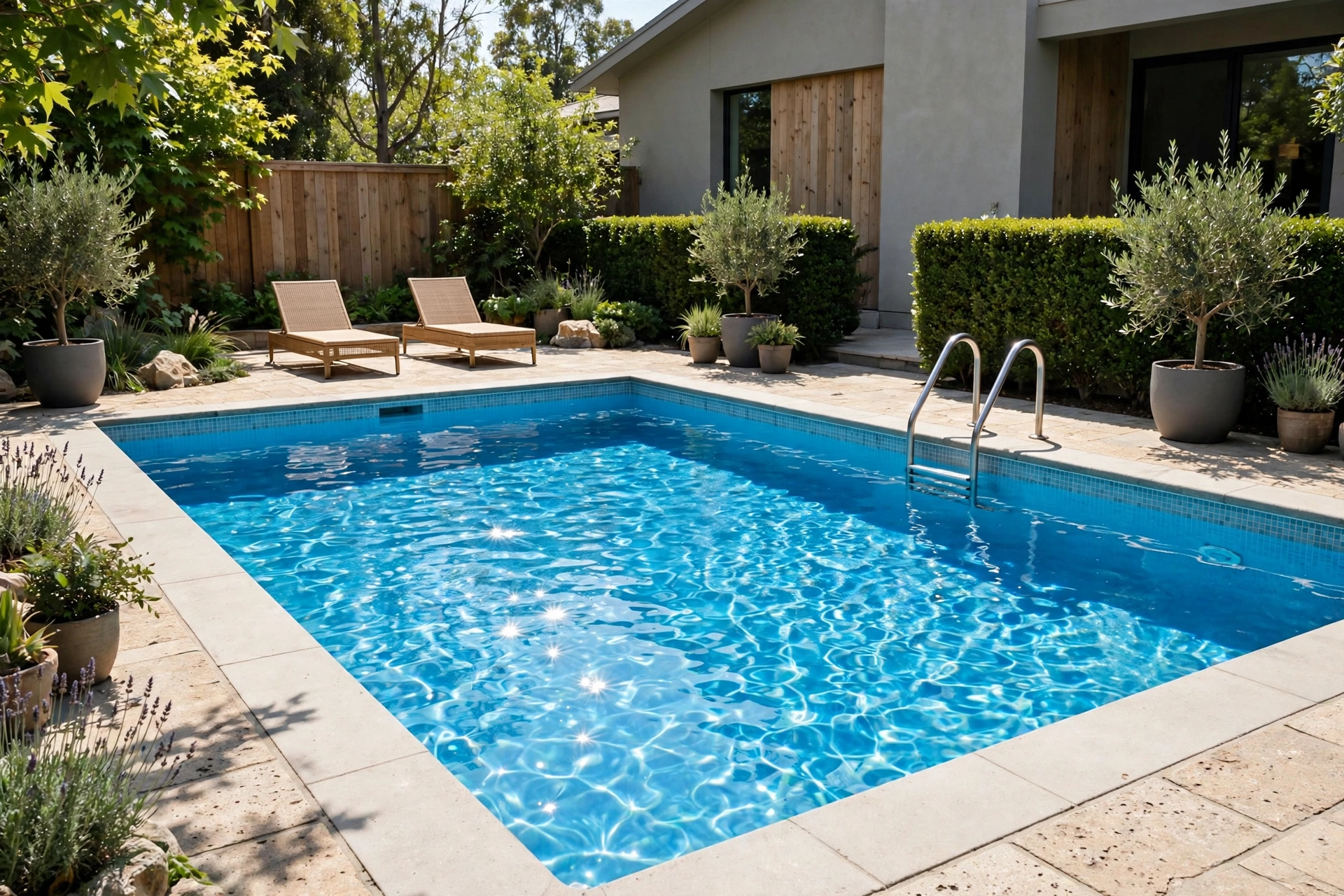
Pool Turned Green After Shock? Copper vs Algae
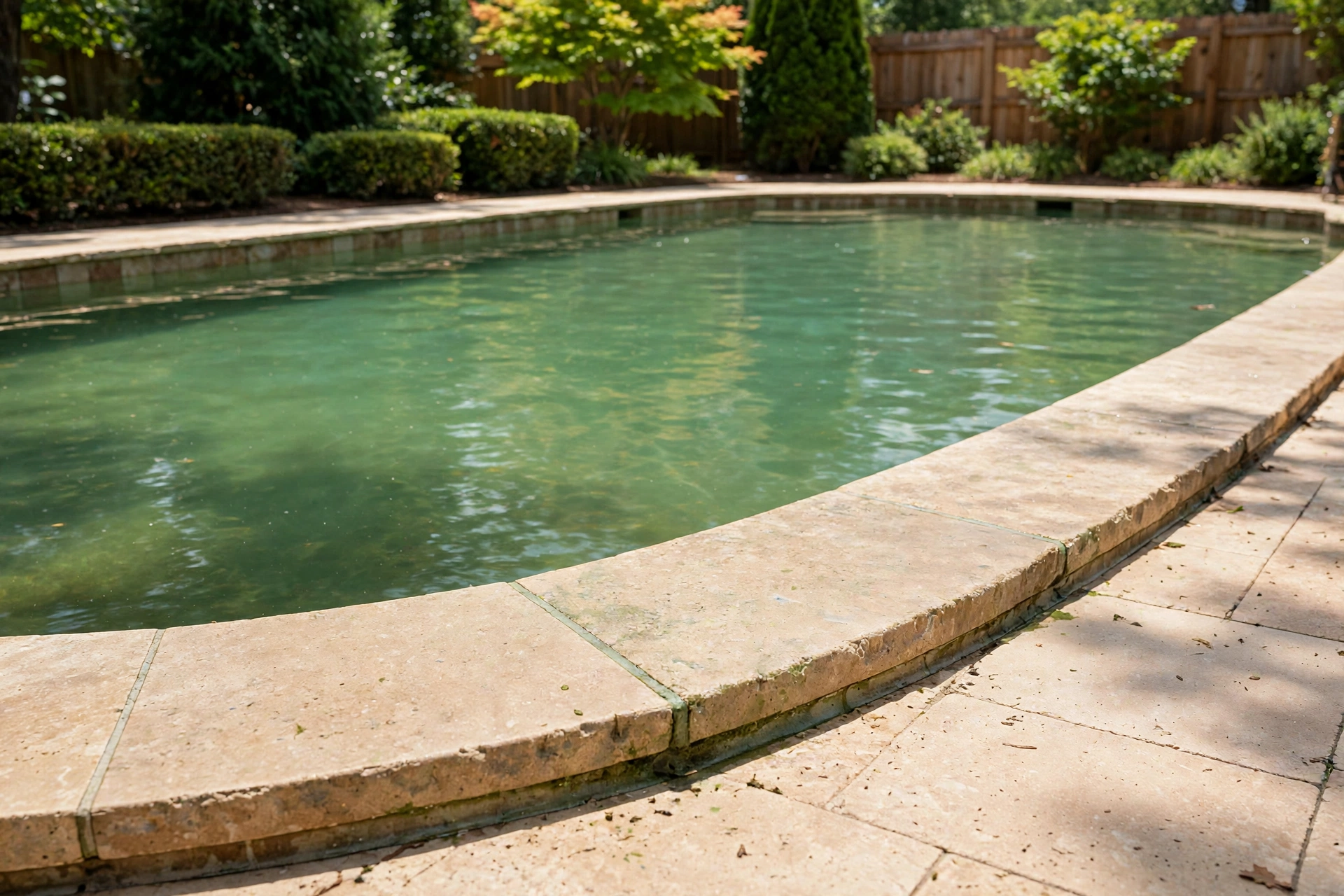
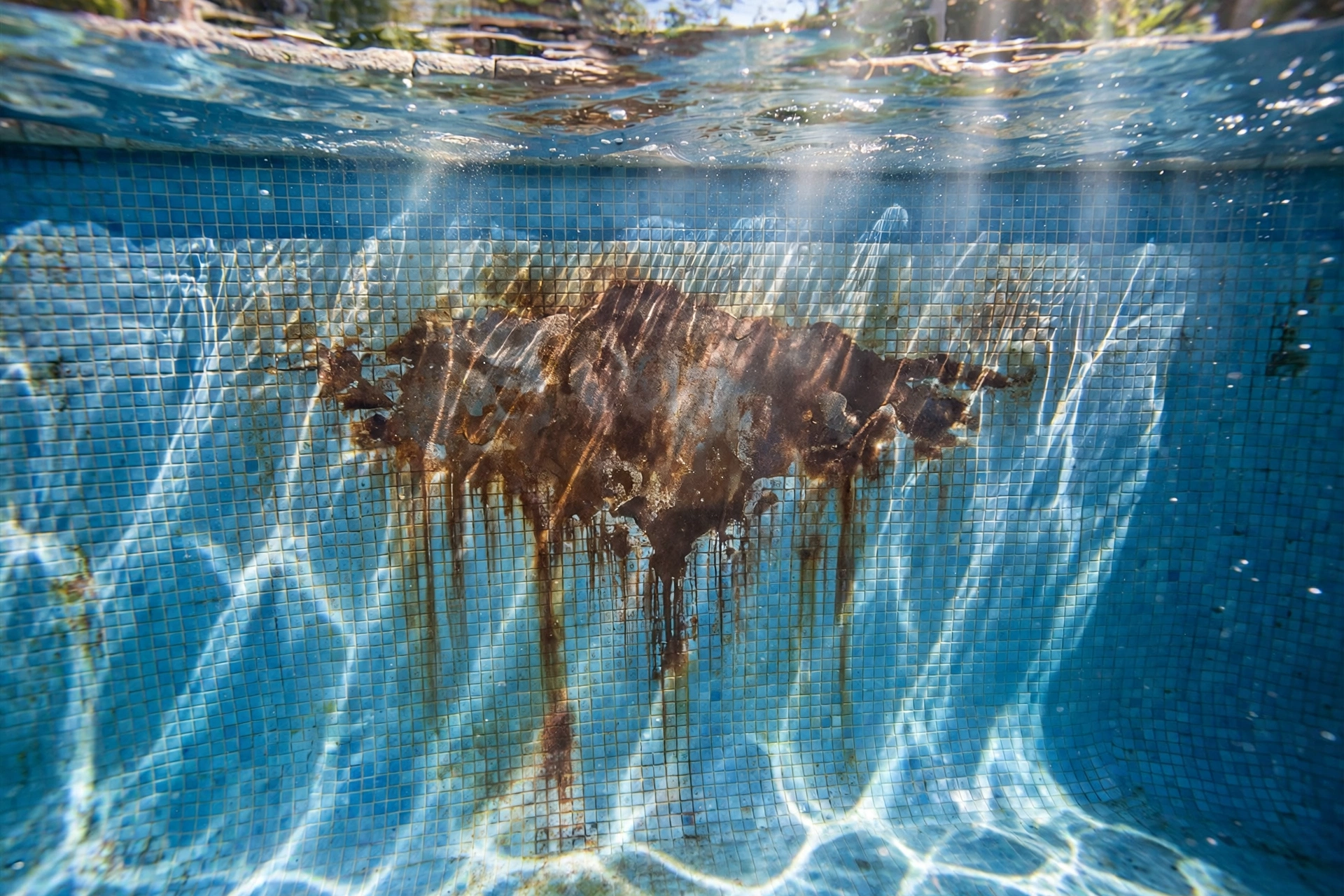
If the pool turned green right after shocking and the water is clear-green (not cloudy), suspect metals — copper or iron oxidizing. Rub a vitamin C tablet on a stain: if it lightens, it's metal, and more shock will make it worse. I know that's counterintuitive. If the water is cloudy-green, it's probably dying algae — and you're on the right track.
This one splits pool owners into two camps with opposite treatments, so getting it right really matters. Shocking a metal problem harder just oxidizes more metal — the pool gets greener and the owner gets more desperate. Don't be that owner.
The good news: telling them apart takes about two minutes, a vitamin C tablet, and your recent history. Let's do it.
The vitamin C test
Hold a plain vitamin C (ascorbic acid) tablet against a stained spot or a greenish area for 30 seconds. If the color lightens or disappears under the tablet, it's a metal stain — ascorbic acid reduces oxidized metals on contact. Algae doesn't react to vitamin C at all. Simple, cheap, decisive.
No stains, just green water? Check clarity. Clear green water right after a chlorine addition points to metals dissolved in the water. Cloudy green points to algae — dead or alive.
Where metals come from
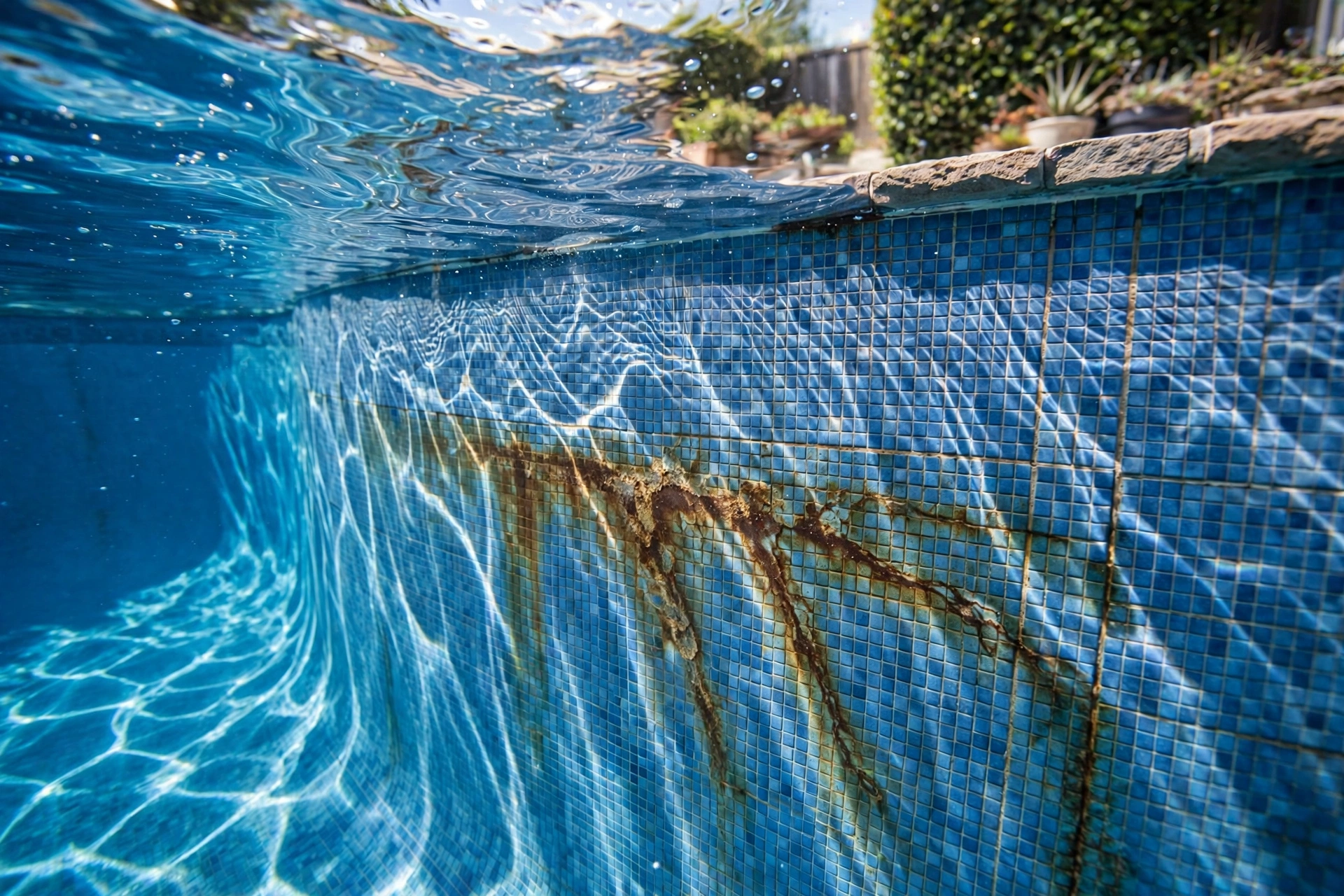
Copper comes from copper-based algaecides (the irony is not lost on me), copper plumbing, or heater elements corroding from low pH. Iron? Well fill water is the classic source. Both sit invisibly dissolved until chlorine oxidizes them into colored particles.
If you have well water, a heater, or a history of copper algaecide use, metals should be your first suspect — not your last. Check the easy thing first.
Treating metals (do NOT just shock harder)
Use a metal sequestrant (HEDP-based products) per the label — the label is the boss here, follow it exactly. It binds metals so they stay dissolved and colorless instead of oxidizing. For fill water with iron, pre-filter through a hose filter or fill slowly. And fix the source: check heater and pH corrosion, stop the copper algaecides.
Ascorbic acid treatments can lift existing stains, but they consume chlorine — so do it as a dedicated treatment, then rebuild your chlorine after. One job at a time.
If it is algae after all
Cloudy green after shock with no vitamin C reaction: that's dying algae, and you're winning. Keep chlorine at SLAM level, filter 24/7, and brush. The green will go gray, then milky, then clear. Enjoy watching it happen.