Saltwater Above-Ground Pools: What to Know
Yes, above-ground pools can run saltwater — but the pool itself must be built for it. Salt accelerates corrosion on steel walls, cheap ladders, and non-resin components. Resin or resin-hybrid above-ground pools handle salt fine; older all-steel pools often do not. Check your pool's warranty before converting.
Saltwater and above-ground pools are a combination that makes a lot of people nervous — and the nervousness is half justified. The salt system itself works exactly the same as on an inground pool. The question is never the equipment; it is whether your pool's metal parts can live with salt for years.
Here is how to answer that question for your specific pool, what changes about maintenance, and the mistakes that actually damage above-ground pools (most of them are avoidable).
Will salt damage your above-ground pool?
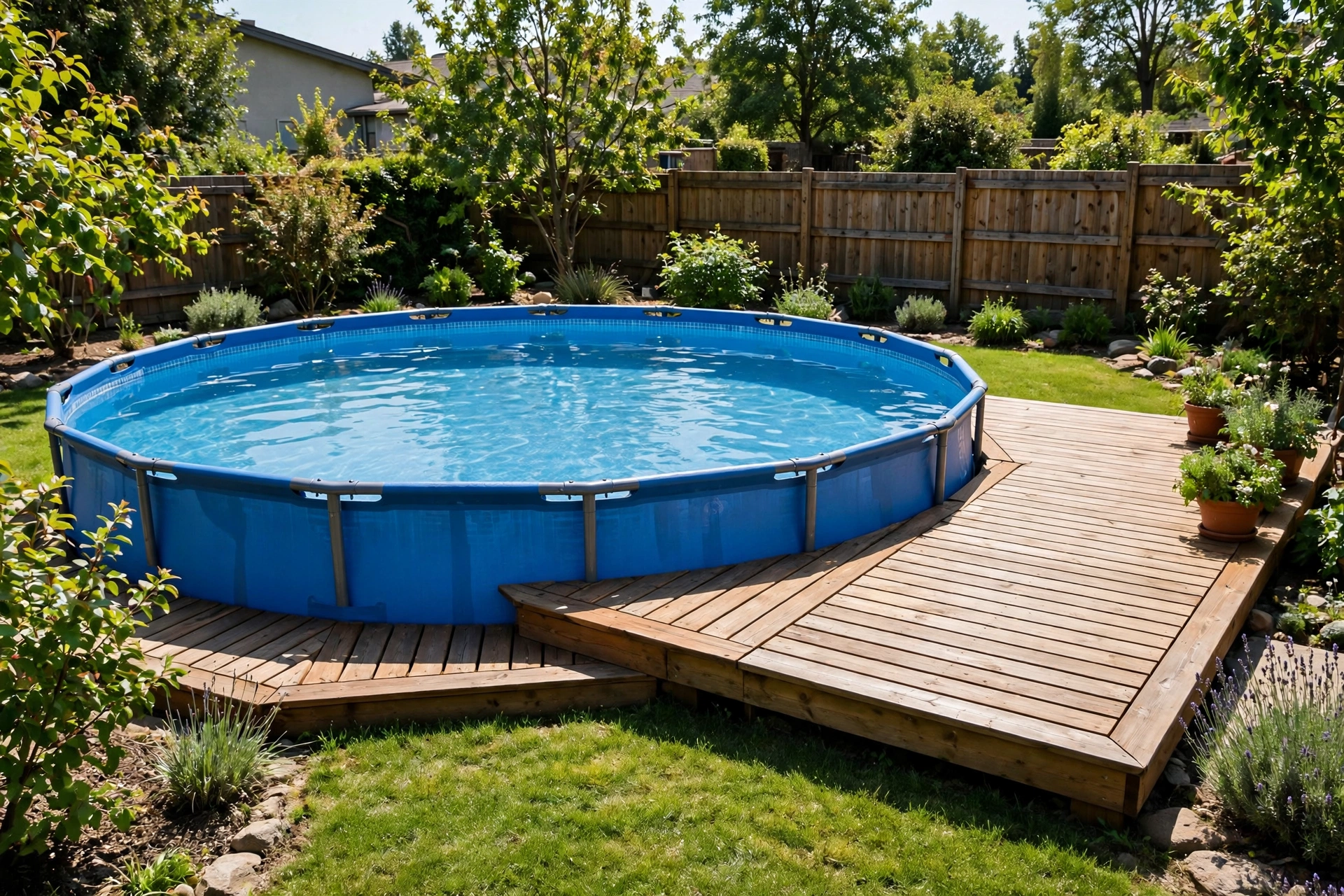
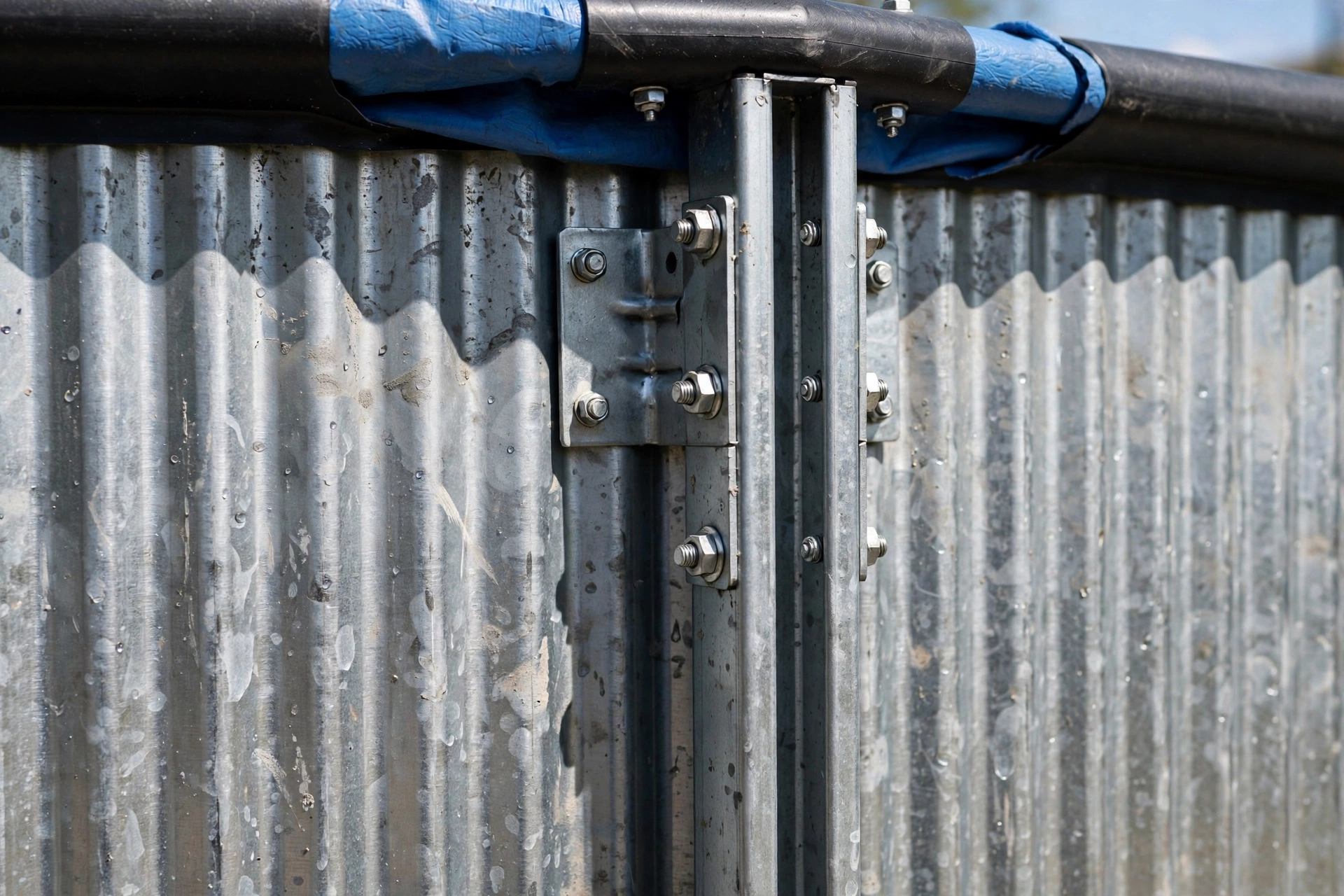
Saltwater is mildly corrosive to bare steel — that is the entire concern, and it is real. All-steel-wall pools, steel uprights, and cheap metal ladders corrode faster in saltwater, especially where waterline meets air and where dissimilar metals touch. This is not instant destruction; it is years-faster aging of exactly the parts that hold the pool up.
Resin pools (resin walls, uprights, and top rails) sidestep nearly all of it — salt does not bother resin. Resin-hybrid pools are in the middle: check which parts are still steel. And read your warranty first: some manufacturers void the warranty for saltwater use, which tells you what they think of their own coatings.
Sizing the salt system
Above-ground pools are smaller (typically 5,000–15,000 gallons), so you need a smaller cell — but do not undersize it. The standard advice holds: buy a cell rated for at least 1.5–2x your pool volume. An oversized cell running at 30% lasts far longer than a correctly-sized one running at 90%, because cell lifespan is measured in chlorine produced.
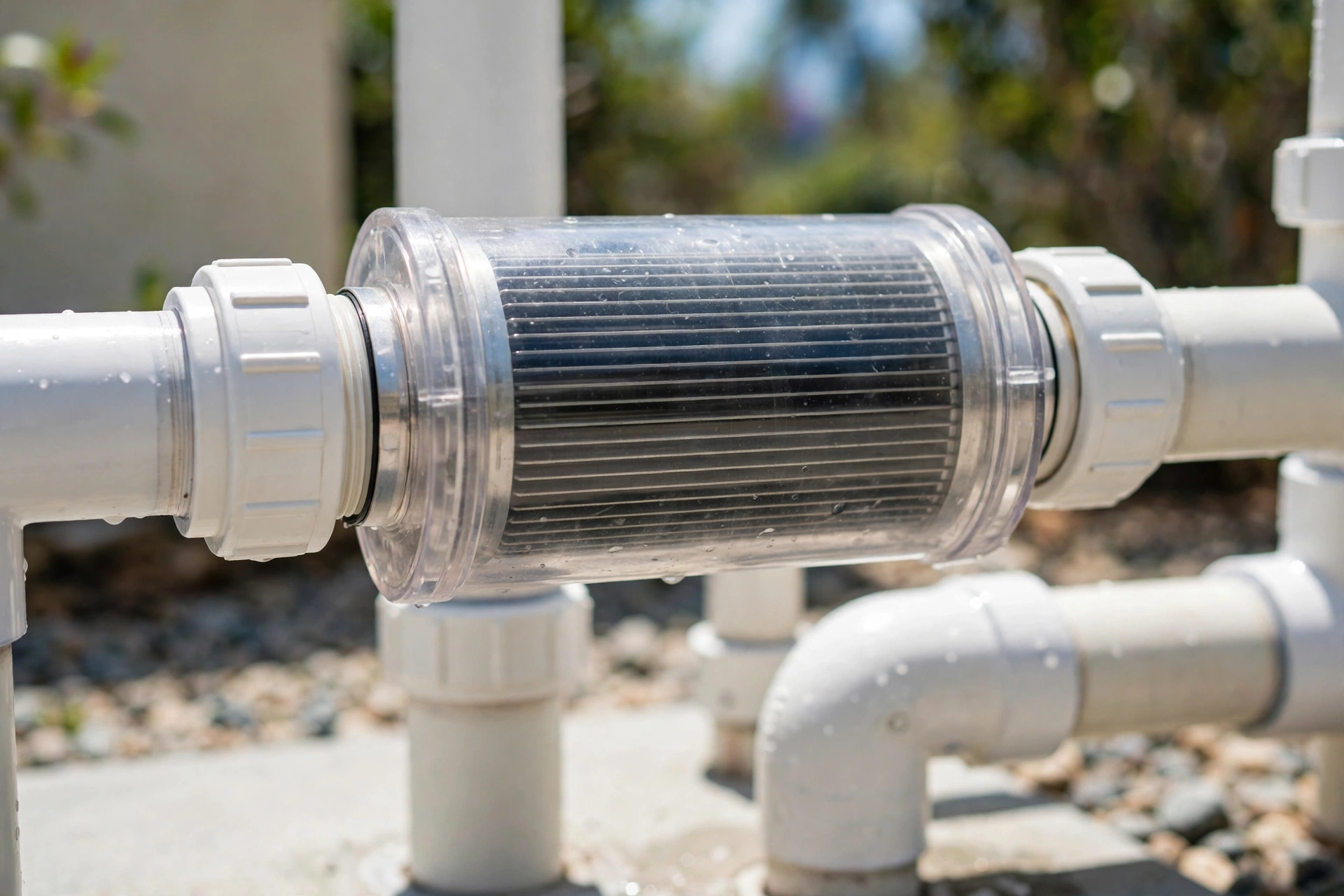
Plumbing a salt cell into an above-ground setup is straightforward — it goes in the return line after the filter, same as inground. Most above-ground owners do it as a weekend project with basic PVC skills, or any pool tech can do it in an hour.
What changes about maintenance
Chemically, almost nothing changes versus inground saltwater: same salinity target (3000–3500 ppm), same CYA 70–80, same pH-rise habit to manage weekly. Test salt monthly with strips — do not trust only the system display.
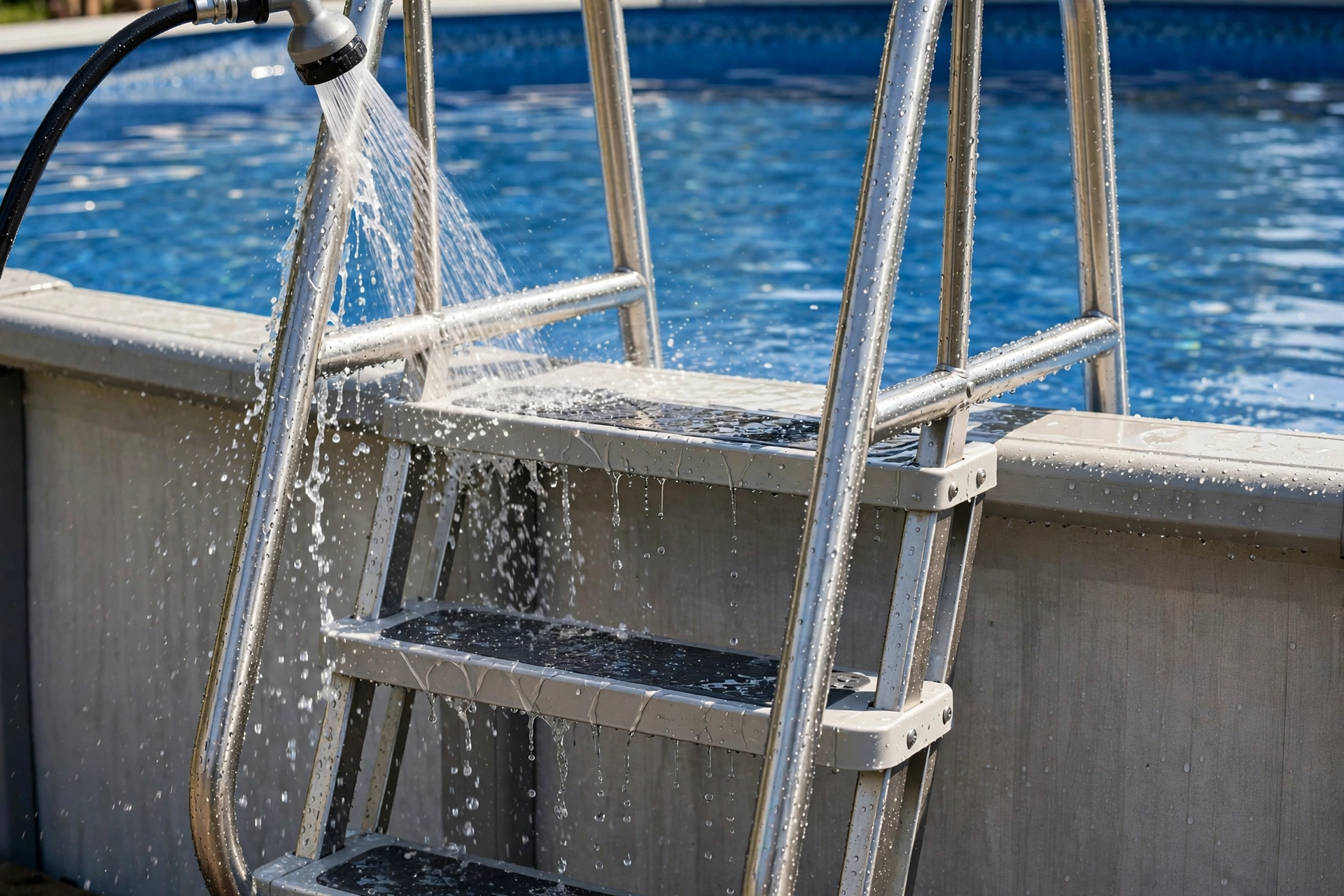
What IS different: watch metal parts. Rinse ladders and handrails with fresh water occasionally, keep an eye on any steel hardware for the first rust freckles, and consider a sacrificial zinc anode — a cheap part that corrodes so your pool hardware does not. It is the single best insurance for a steel-component pool on salt.
Should you convert? The honest math
If your pool is resin and you are tired of daily chlorine dosing, conversion usually pays for itself in convenience within a season or two — the system cost is lower for small pools, and salt is cheap. If your pool is older all-steel with visible rust already starting, salt will accelerate what is already happening; run that pool on liquid chlorine and put the salt-system money toward its eventual replacement.
Middle ground (resin-hybrid, good condition): convert, add the zinc anode, rinse metals monthly, and inspect hardware each spring. That combination works well for a lot of owners — the failures I hear about are almost always steel pools that should never have been converted.
- Resin pools: salt-safe. All-steel pools: high corrosion risk — check warranty.
- Size the cell 1.5–2x your pool volume; oversized cells last longer.
- Same chemistry targets as inground saltwater: salt 3000–3500, CYA 70–80.