What Is ORP in a Pool? Your Millivolt Reading, Explained
ORP (oxidation-reduction potential) tells you how aggressively your sanitizer is oxidizing contaminants — higher millivolts means harder-working sanitizer. The commonly cited target for chlorine pools is roughly 650–750 mV. But ORP swings with pH, CYA, and temperature, so I treat it as a trend gauge, not a dosing dial. When I need to know how much chlorine to add, I test free chlorine directly.
If you own a salt system with a fancy control panel, you have probably stared at an ORP number and wondered whether you should care. I did too, the first time I saw one. Here is the short version: ORP is a useful dashboard light, not a steering wheel.
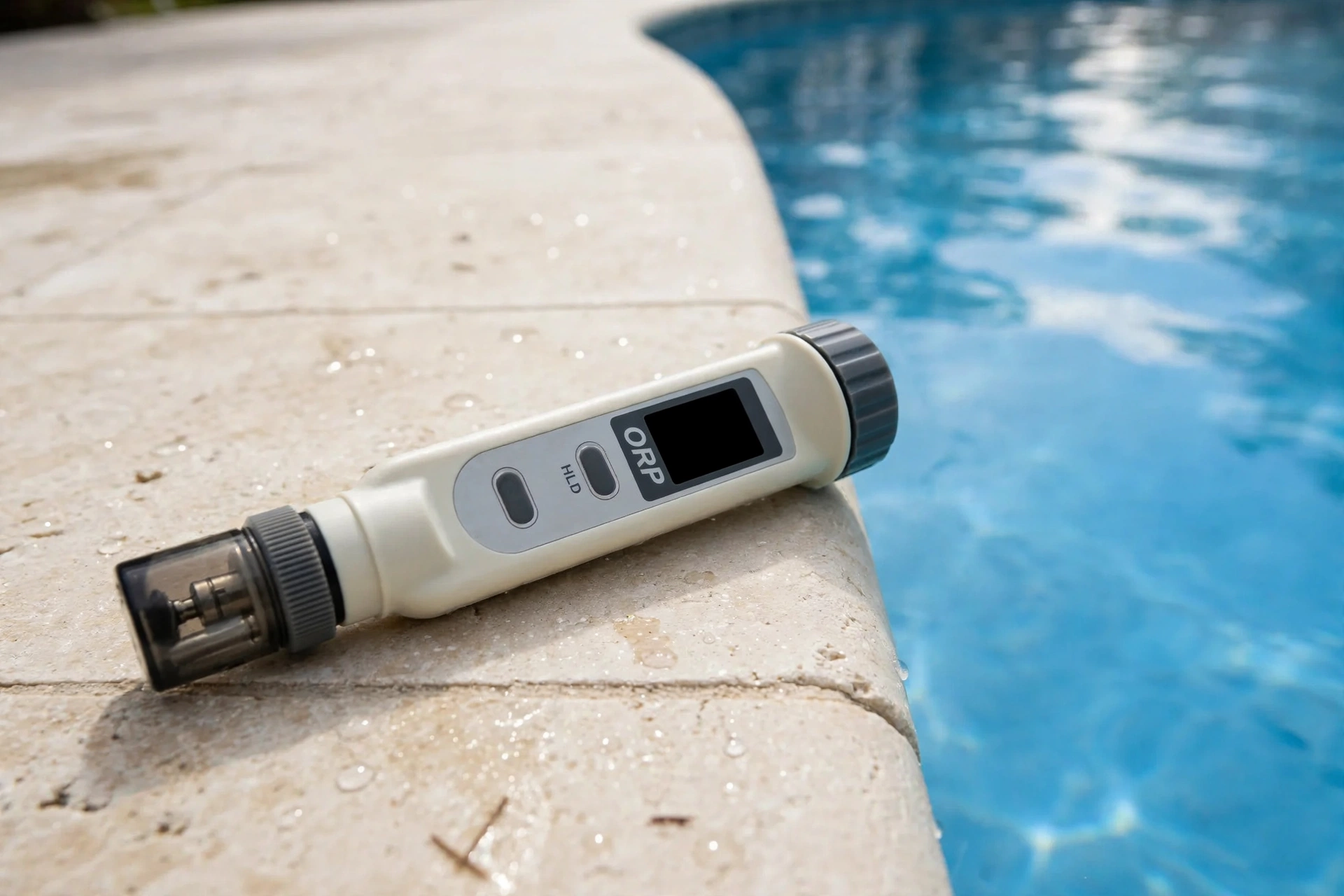
ORP stands for oxidation-reduction potential. Your chlorine sanitizes by oxidizing things — killing algae, breaking down sweat and sunscreen. ORP measures how strongly that oxidation chemistry is pushing, in millivolts. More push, higher number. That is genuinely useful information — as long as you know what moves the number besides chlorine.
What ORP actually measures
Think of ORP as a speedometer for your sanitizer rather than a fuel gauge. A fuel gauge (your free chlorine test) tells you how much sanitizer is in the tank. The speedometer (ORP) tells you how hard it is working right now. Both are real measurements; they just answer different questions.
This is why two pools can show the same free chlorine reading and different ORP numbers. One has low pH and no CYA — its chlorine is unchained and the ORP reads high. The other has high CYA holding much of the chlorine in reserve — plenty of fuel, lower speedometer. Neither pool is broken. The chemistry is just arranged differently.
The 650–750 mV target and its limits
You will see 650–750 mV quoted everywhere as the target for chlorine pools, and it is a reasonable working range — controllers and commercial systems have used it for years. If your ORP sits in that band with chlorine present and the water looks right, I would not chase it.
But here is the limit I want you to understand: ORP is not standardized the way a chlorine test is. Two probes in the same water can disagree. A dirty probe reads low. And nothing about that 650–750 band tells you your free chlorine number, which is what health guidance is actually written around. The core chemistry numbers still run the show.
Why your ORP jumps around
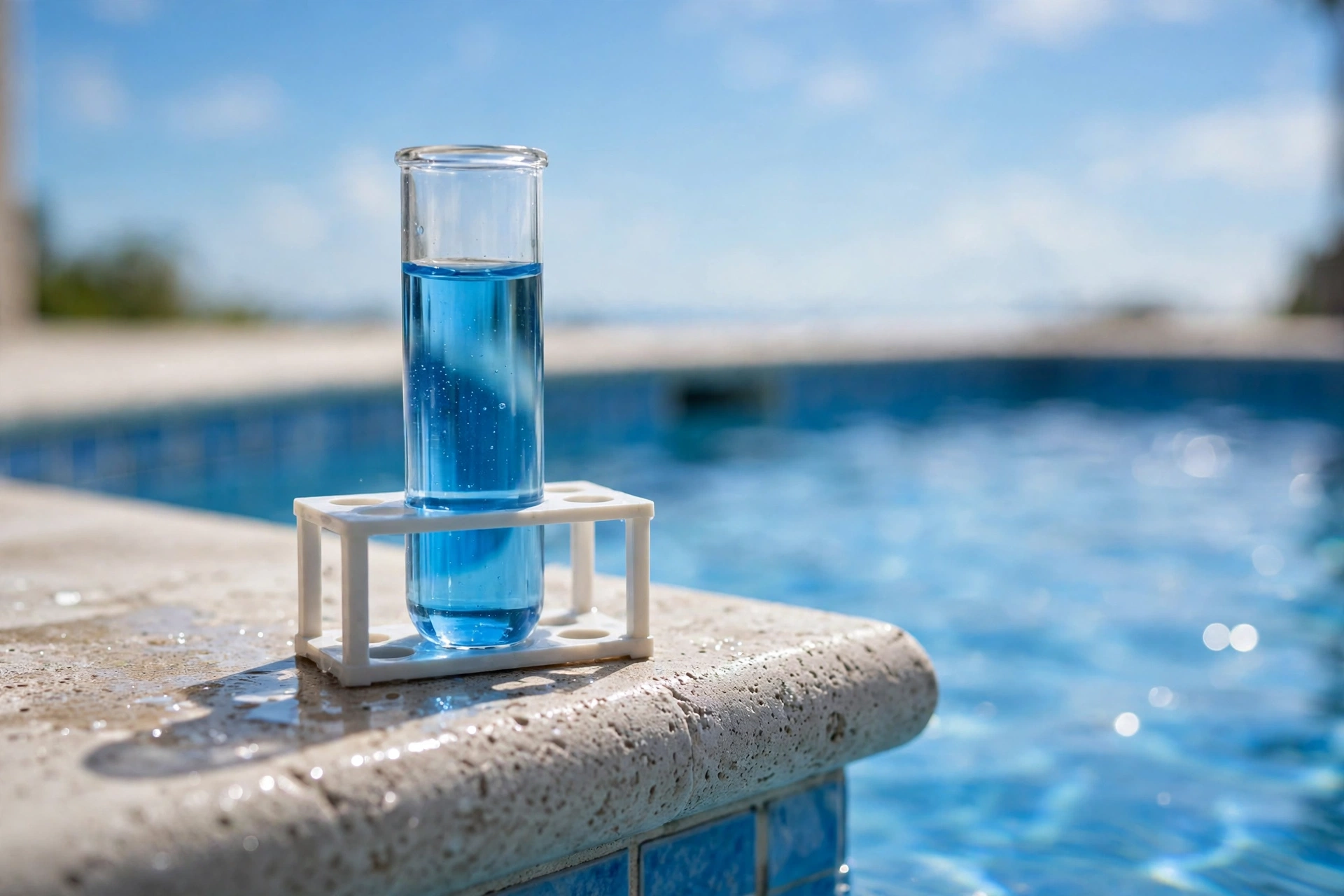
Three things move ORP more than most owners expect. First, pH: lower pH makes chlorine more aggressive, so ORP climbs as pH drops — the same chlorine, different reading. Second, CYA: more stabilizer holds more chlorine in reserve, which pushes ORP down even though total chlorine did not change. Third, temperature and probe condition: warm water and a fouled probe both skew the number.
So when your controller flashes a low ORP and you are tempted to dump in chlorine, stop and test free chlorine with drops first. Half the time the ORP was complaining about pH drift or a tired probe, not a sanitizer shortage. Fix the right thing.
Should you buy an ORP meter or controller?
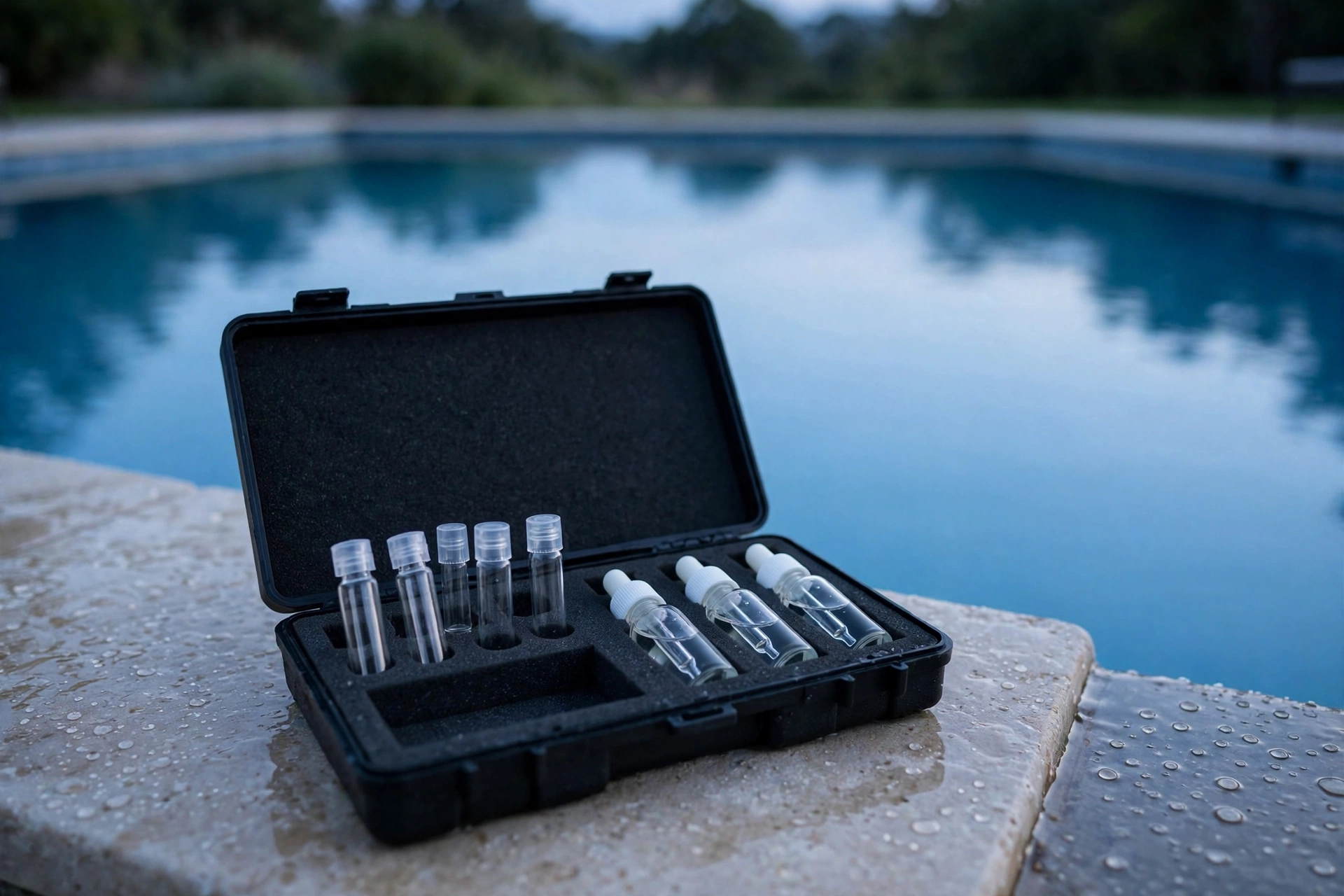
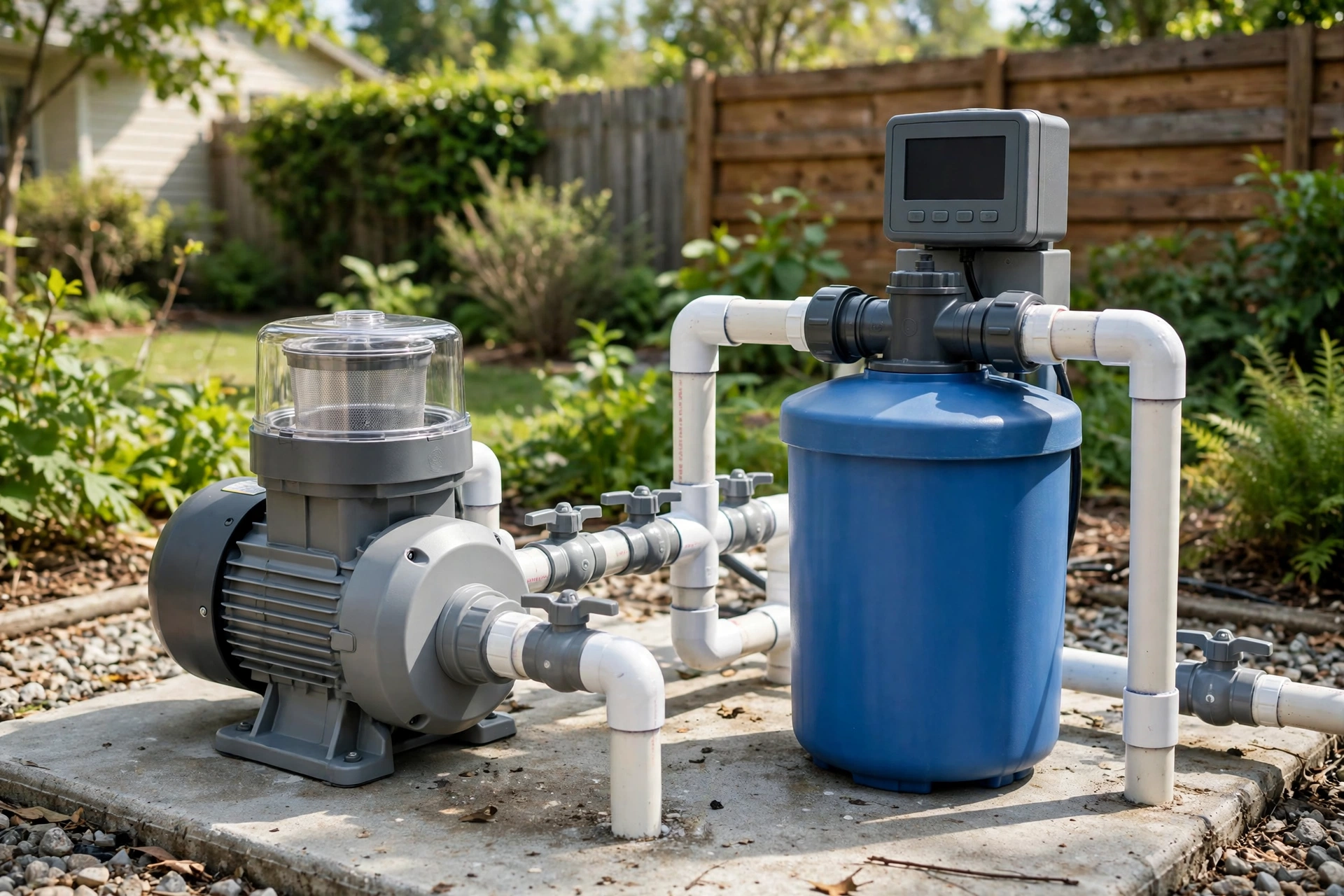
My honest take: for most backyard pools, an ORP probe is a nice-to-have, not a need-to-have. A $15 drop test done weekly tells you more about what to dose than a $200 probe you have to calibrate and clean. Where ORP earns its keep is automation — salt systems and chemical feeders that dose off the reading while you are not watching.
If you already have one, use it for trends, not targets. Watch the direction over days, keep the probe clean per its manual, and always confirm a weird reading with a real chlorine test before you act on it.