How to Shock a Saltwater Pool
Yes, saltwater pools need occasional shocking — the salt cell maintains daily chlorine but cannot blast through an algae bloom or chloramine buildup on its own. Use liquid chlorine (not dichlor — it adds CYA your salt pool does not need), dose to shock level for your CYA, and either turn the cell off or leave it running — both work.
The most common saltwater myth after "it's chlorine-free" is "you never shock a salt pool." Then algae appears, the owner cranks the cell to 100%, and... nothing happens. Here is why: a salt cell is a maintenance device, sized for daily chlorine demand. An algae bloom needs shock-level chlorine — ten times maintenance — and no residential cell produces that fast enough.
Shocking a salt pool is nearly identical to shocking any pool, with two or three salt-specific wrinkles. Let me walk through them.

When a salt pool needs shocking
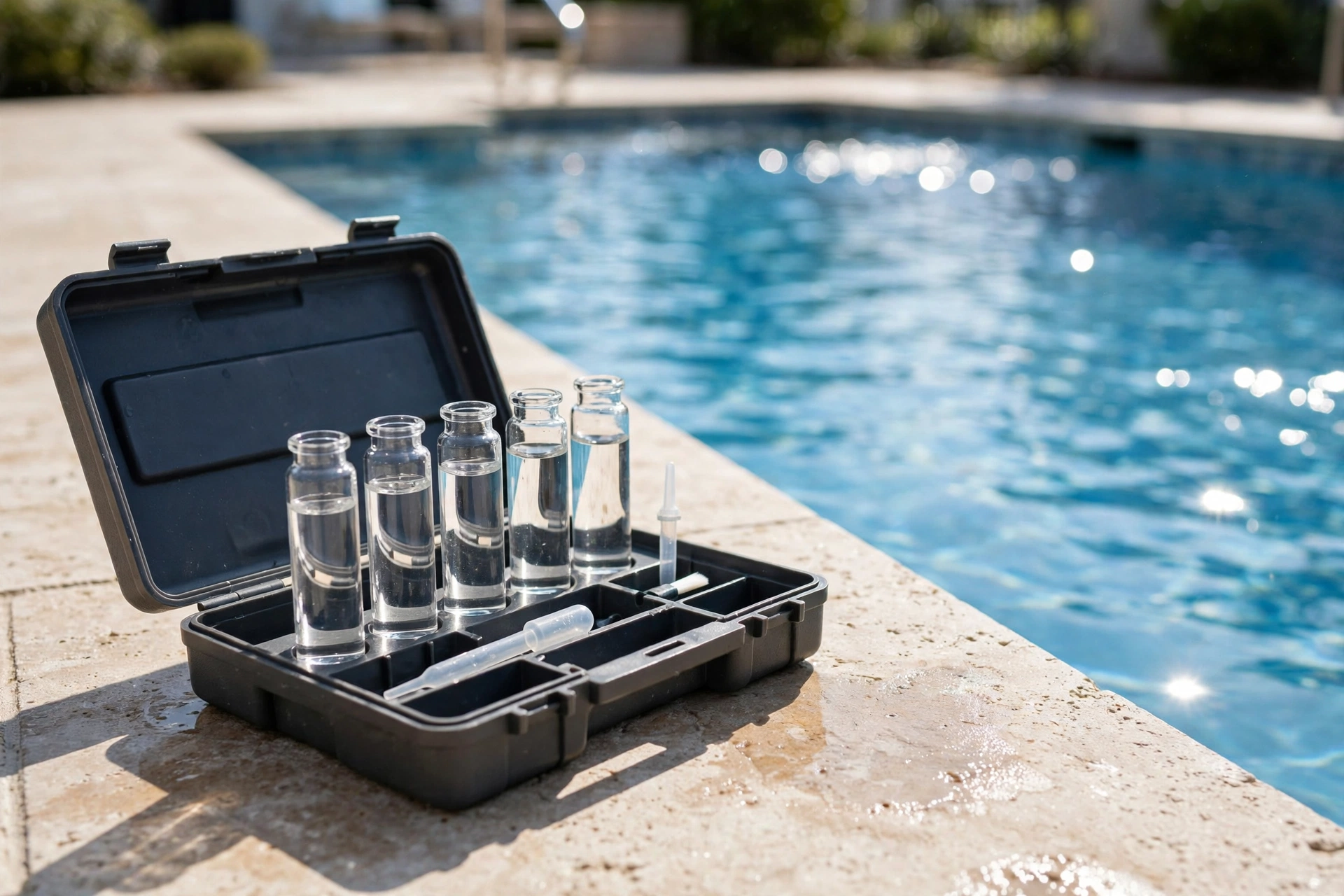
Same triggers as any pool: visible algae, combined chlorine above 0.5 ppm, a strong chloramine smell, or after heavy bather load or contamination. What does NOT qualify: the cell "seems slow" or FC drifted a bit low — that is a settings or CYA issue, not a shock situation. See generator troubleshooting before reaching for the shock.
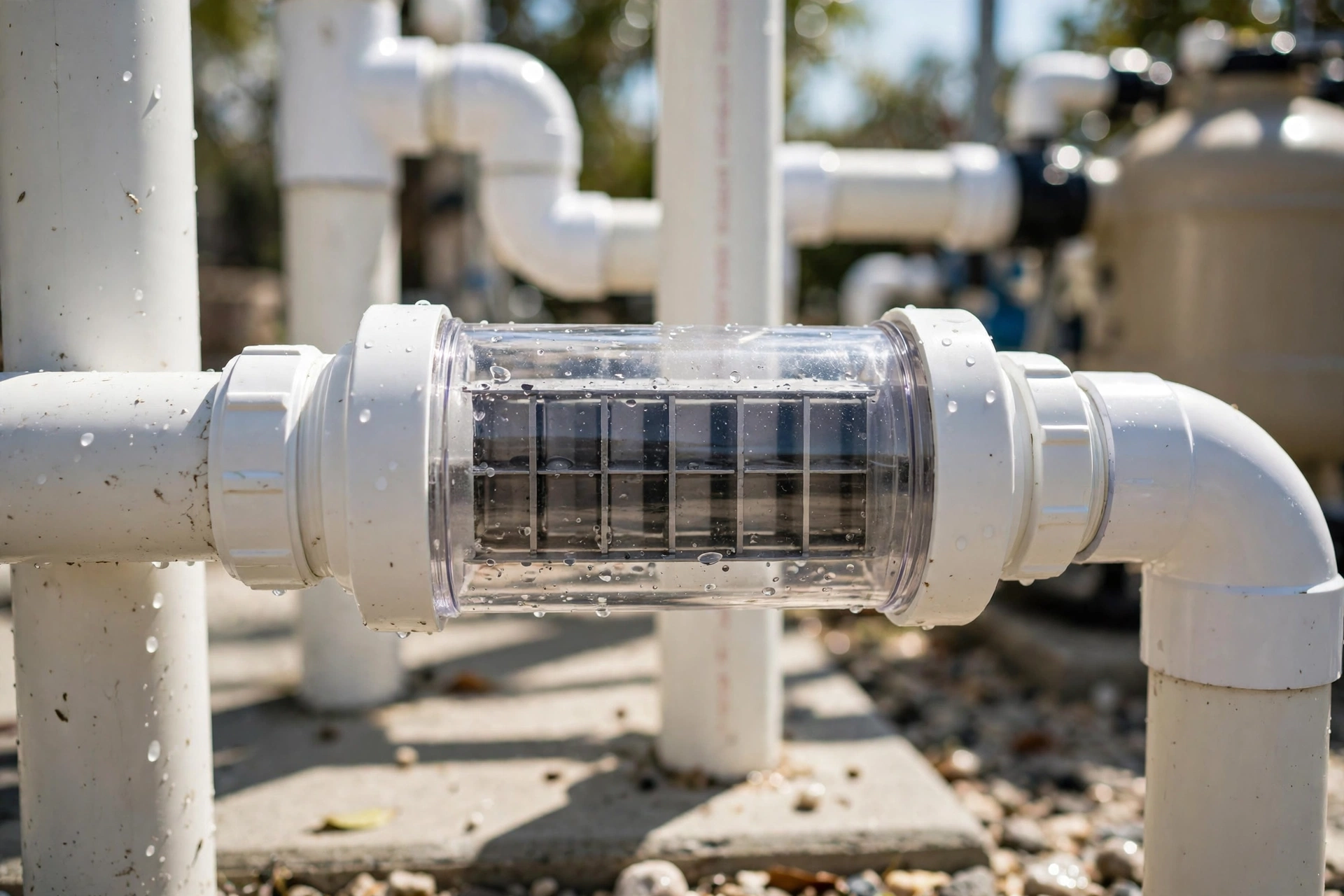
One salt-specific note: if algae keeps returning despite correct salt and CYA, check the cell for scaling first. A scaled cell produces a fraction of its rating, and no amount of shocking fixes a cell problem — it just masks it for a week.
What to shock with (and what to avoid)
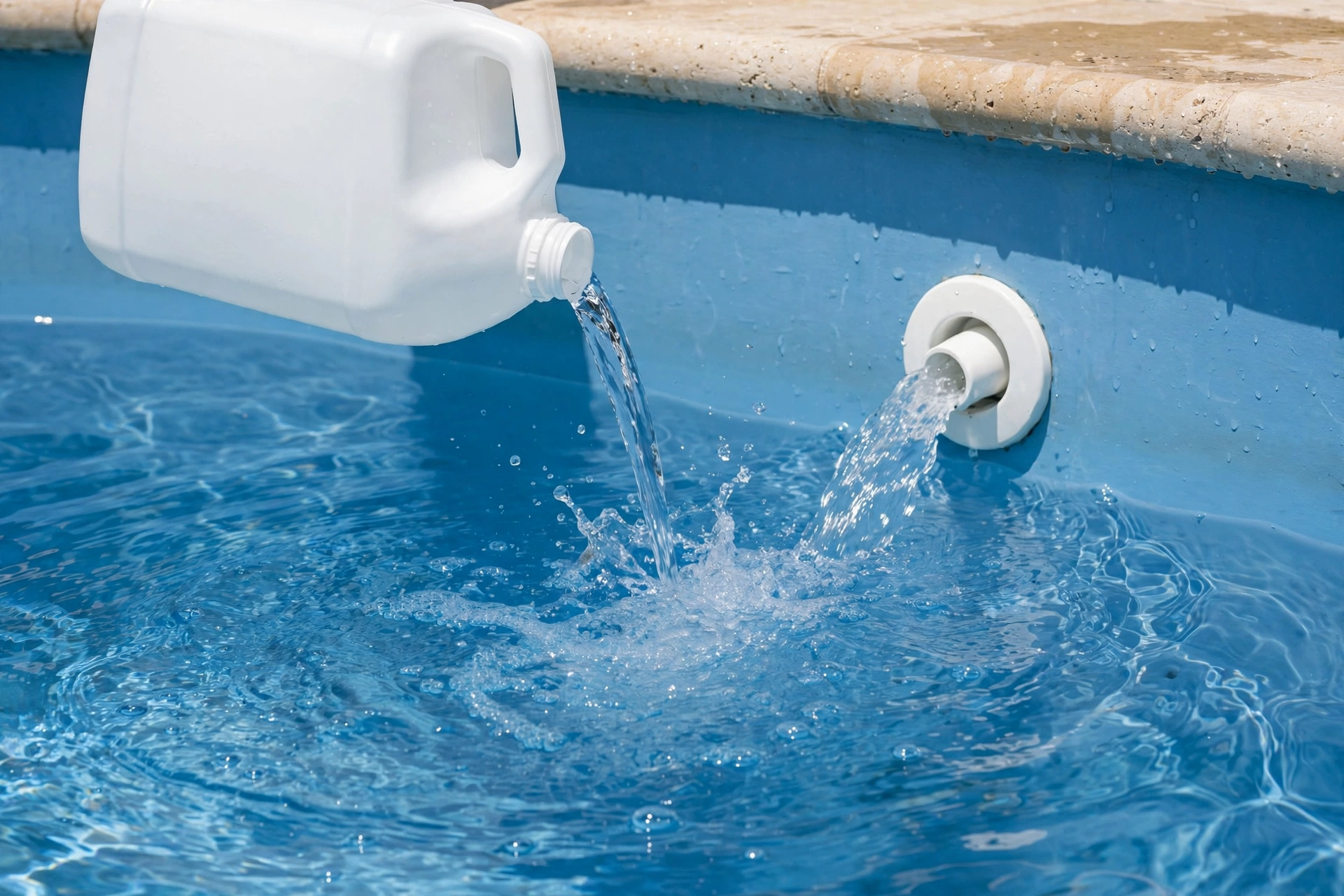
Use liquid chlorine. It adds no CYA and no calcium — exactly what a salt pool wants. Avoid dichlor shock: salt pools already run CYA at 70–80, and dichlor piles on ~9 ppm CYA per 10 ppm FC, pushing you toward the overstabilized zone fast. Cal-hypo is acceptable if calcium is low, but liquid remains the cleanest choice.
Dose to shock level for YOUR CYA — at CYA 70–80, that is roughly 28–32 ppm FC, which surprises salt owners used to thinking in single digits. Use the shock calculator with your real numbers; guessing at these levels wastes a lot of product.
Cell on or off while shocking?
Either works — this gets over-debated. Leaving the cell on adds its normal output on top of your shock dose (harmless, slightly helpful). Turning it off avoids running the cell at high FC, which some owners prefer for cell longevity. My take: for a one-night shock, leave it on and do not overthink it. For a multi-day SLAM, turn it off or to 0% — the liquid chlorine is doing all the work, and there is no reason to spend cell life on it.
After the shock clears and FC drifts back toward normal, turn the cell back on and let it resume maintenance. Do not try to "SLAM with the cell" by cranking it to 100% — even at full output, most residential cells cannot reach or hold true shock level. That is what the liquid chlorine is for.
After the shock: rebalancing a salt pool
Shocking drops pH temporarily and the whole event stirs things up, so retest everything 24–48 hours later: FC, pH, TA, and salt. Salt pools already fight rising pH weekly (here is why), and a shock episode can leave pH wherever it wants — correct it back to 7.2–7.8 before calling the job done.
Also recheck the cell: if scaling contributed to the original problem, clean it now, while you are already in maintenance mode. The cheapest shock is the one you never need because the system is running right.
- Shock level at CYA 70–80: ~28–32 ppm FC (much higher than salt owners expect).
- Use liquid chlorine — dichlor adds CYA a salt pool does not need.
- For multi-day SLAM: cell off/0%, liquid chlorine does the work.