How Often Should You Shock Your Pool?
Most pools do not need scheduled shocking at all. Shock when something calls for it: visible algae, combined chlorine that will not clear, a heavy bather load, or contamination (storm debris, an accident). A pool with steady chlorine, no smell, and clear water does not need a weekly shock — that schedule mostly sells shock.
"Shock weekly" is probably the most repeated advice in pool care — and one of the least examined. It comes from an era of guesswork chlorination, when weekly dumping compensated for a week of neglect. If you test and dose properly, your pool tells you when it needs shocking. The calendar does not.
That is not me being contrarian for fun. Every unnecessary shock is money, wear on your liner and equipment from chemical swings, and CYA or calcium creeping up if you use the wrong product. Here is how to know when shocking is actually called for.
When shocking is actually needed
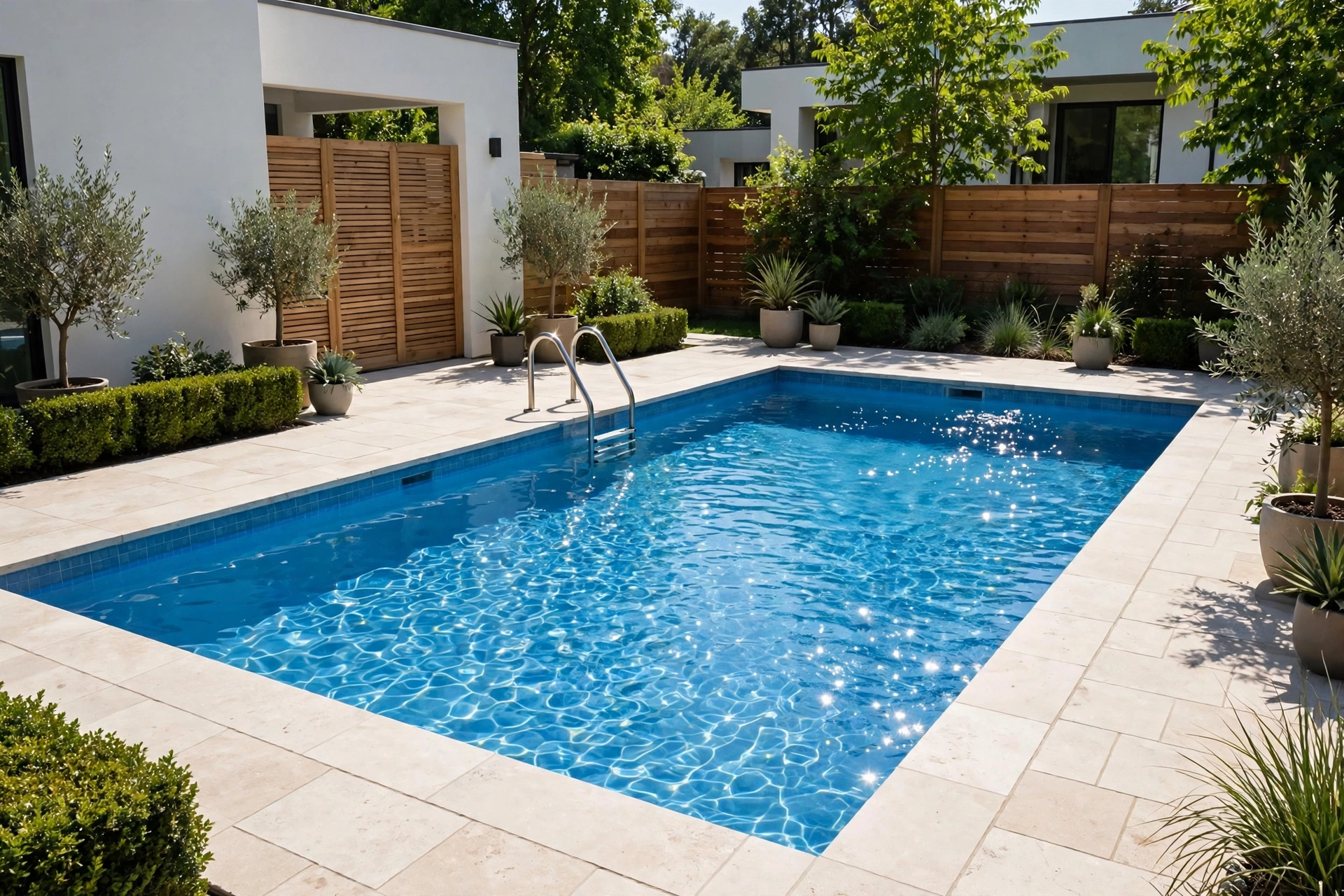
The real triggers: any visible algae (even a suspicious green tint), combined chlorine (CC) above 0.5 ppm that will not clear, a strong "chlorine smell" (which is actually chloramines — used-up chlorine), after a pool party with heavy bather load, or after contamination like storm debris or an accident in the pool.
Notice what is NOT on the list: "it is Sunday." If none of these are true and your FC has been steady at the right level for your CYA, shocking adds nothing. Your chlorine is already doing the job — that is what maintenance dosing is for.
The weekly-shock myth, examined
Where did "shock weekly" come from? Partly from pool stores (it sells a lot of bags), and partly from the tablet-only era: when CYA climbs all summer and chlorine gets weaker, a weekly mega-dose papers over the decline for a few days. It treats the symptom of a broken chlorination strategy.
Do the math on what weekly shocking costs over a season — product, plus the calcium or CYA each dose adds — versus simply keeping FC at target daily. The second approach is cheaper AND keeps the water more stable. The weekly shock is a subscription to a problem you could just fix.
What about saltwater pools?
Salt pools need scheduled shocking even less — the cell chlorinates continuously, which is the whole point of the system. Shock a salt pool only for the same triggers: algae, CC, heavy load. If you find yourself shocking a salt pool monthly "just because," something else is wrong — usually the cell is undersized, scaled, or the CYA is off. Fix that instead; see generator troubleshooting.
A better routine than scheduled shock
Replace "shock Sunday" with this: test FC and pH 2–3x per week, keep FC at target for your CYA every day, and shock only on triggers. You will use less product, your chemistry will swing less, and you will never again wonder whether this week "needs" it.
Keep shock on hand anyway — liquid chlorine keeps for months stored cool and dark. Having it ready for the day algae appears beats every schedule, because the best shock is the one you do the day the problem starts, not the following Sunday.
- Well-kept pool: shock 0–4 times per season, on triggers only.
- Trigger list: visible algae, CC > 0.5 ppm, chloramine smell, heavy bather load, contamination.
- Salt pools: even less often — continuous chlorination replaces the schedule.